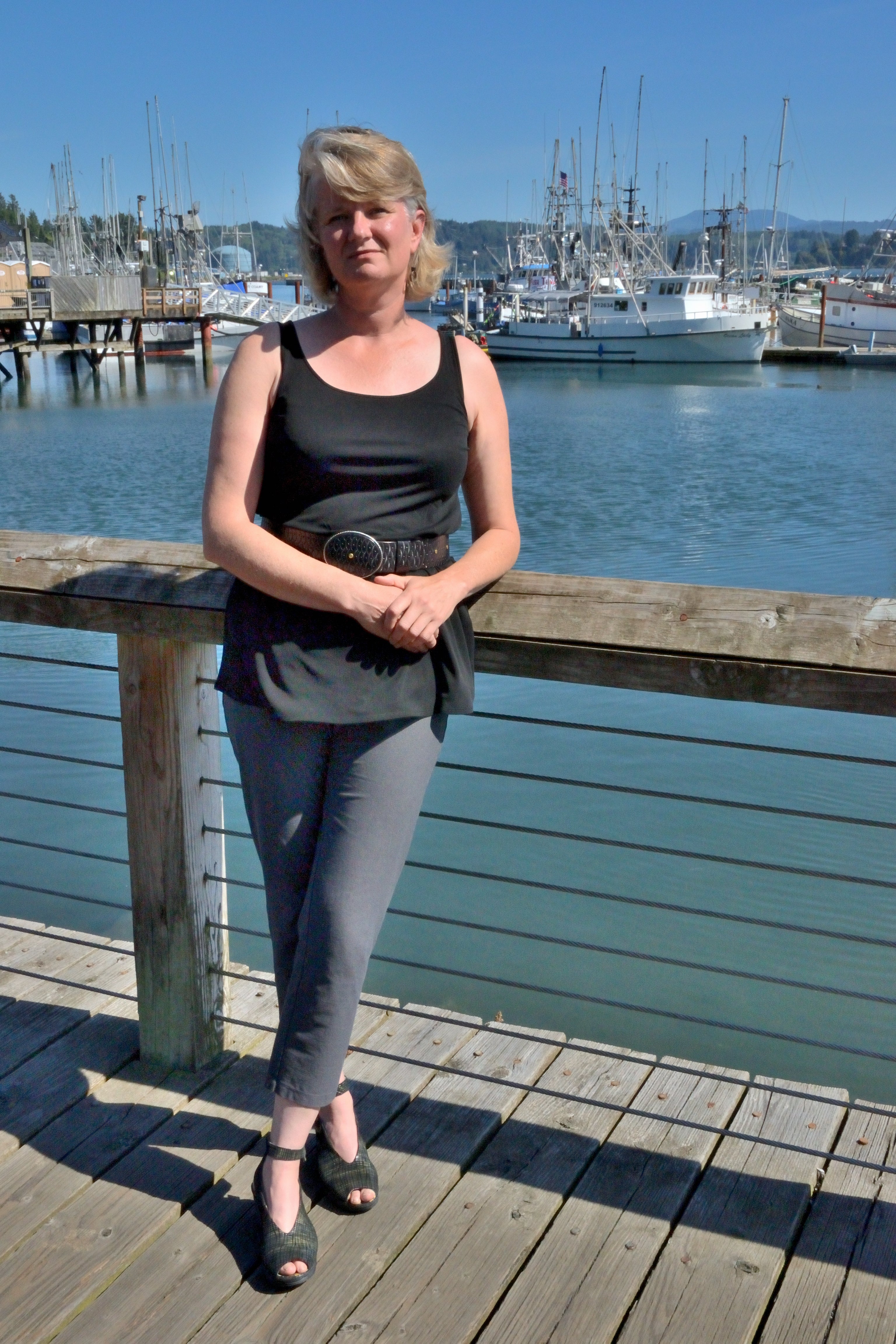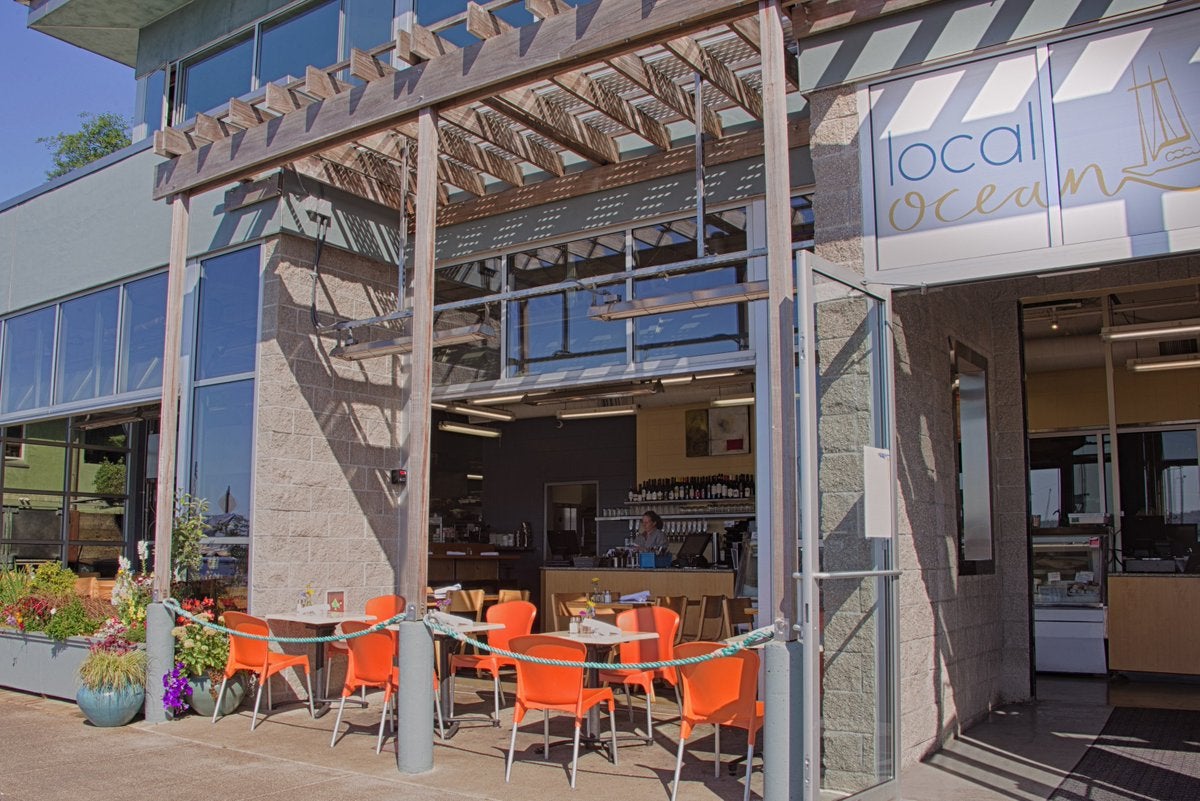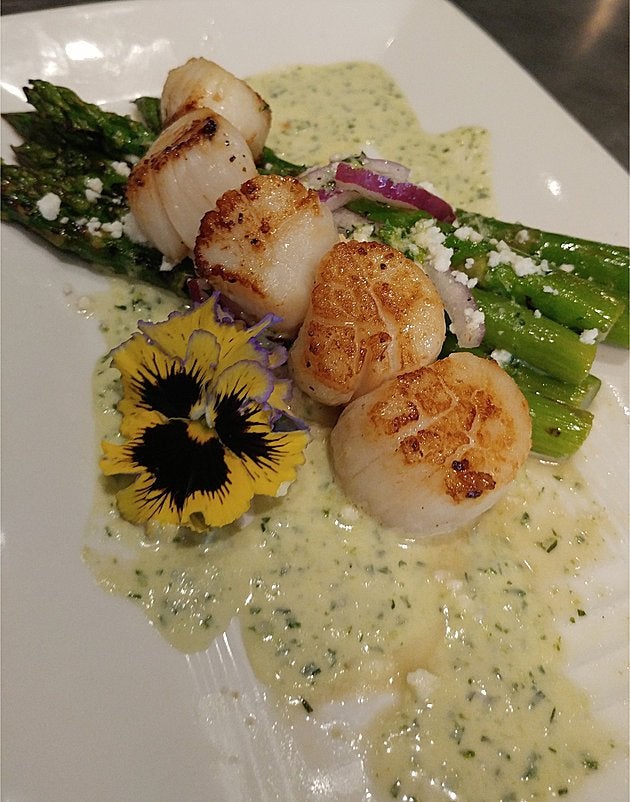

Laura Anderson (Newport, OR) is the founder of Local Ocean Seafoods, a fresh seafood market and restaurant on Newport’s Historic Bayfront. Now employee-owned, the crew at Local Ocean draws on their connection to local fishermen fisherman to source the best Pacific Northwest catches and serves them to customers in a way that highlights the quality of cold water fish.
Bio
Laura Anderson is a lifelong student and practitioner of coastal foodways shaped by commercial fishing, marine science, and community-based food systems. She grew up immersed in Oregon’s fishing culture, working from a young age alongside her father, a commercial salmon and Dungeness crab fisherman. As a child, she branded buoys with his signature number (624), cleaned gear between trips, and later crewed with him during salmon seasons and summer crab runs—early experiences that grounded her understanding of labor, stewardship, and the rhythms of the sea.Her path carried her beyond the dock to a Peace Corps project in coastal resource management in the Philippines and later into contract research in the marine social sciences. These experiences deepened her appreciation for the cultural, ecological, and economic dimensions of fishing communities worldwide. When an opportunity emerged to open a fish market and restaurant in Newport, Anderson found her calling to connecting people to local seafood in ways that are honest, accessible, and respectful of both fish and fishermen.In 2002, she co-founded Local Ocean Seafoods, building a business centered on cold-water Pacific fish, direct relationships, and straightforward preparation that lets the fish speak for itself. Family food traditions inform her approach: at Local Ocean, fish and chips are prepared the way her mother made them—lightly breaded, pan-fried, and never buried under heavy batter or sauce. “The fish should always be the main event,” Anderson says. “Our job is not to overpower it, but to honor it.”Beyond the restaurant, Anderson is deeply engaged in sustaining and evolving Oregon’s coastal food culture. Her work includes developing a local seafood hub, shortening local seafood supply chains, supporting value-added uses for the whole fish, mentoring emerging food and fishing entrepreneurs, and advancing public education around seafood, seasonality, and working waterfronts. Across all of it, she sees foodways as living practice—one that links past and present, science and tradition, and people to place through shared meals and stories from the sea.